
What Is Sleep Apnea?
Everyone wants to get a good night’s sleep, but this may be difficult for those with sleep apnea. This sleep disorder causes a person’s breathing to stop frequently and restart. Snoring is also common.
If you think you may have sleep apnea, Charleston ENT & Allergy can guide you on the journey of starting treatment and sleeping peacefully once again. You don’t have to live with the discomfort from your symptoms.
How Do You Know if You Have Sleep Apnea?
Symptoms of sleep apnea include:
- Snoring
- Gasping for air while sleeping
- Insomnia
- Sleepiness during the day
- Headache after waking up
- Dry mouth after sleeping
Are There Different Types of Sleep Apnea?
The main kinds of sleep apnea are obstructive sleep apnea, central sleep apnea and complex sleep apnea syndrome.
What Is Obstructive Sleep Apnea?
Obstructive sleep apnea is the most common form of this condition, affecting 25-30% of men and 9-17% of women in the United States. It occurs when the muscles at the back of the throat relax, causing your airway to narrow or close while you are breathing.
Risk factors for obstructive sleep apnea include:
- Obesity
- Thicker neck circumference
- A narrow throat
- Being male
- Being older
- Using alcohol, cigarettes, sedatives or tranquilizers
- Medical conditions like heart failure, high blood pressure, type 2 diabetes, polycystic ovarian syndrome, stroke or asthma
- Nasal congestion
What Is Central Sleep Apnea?
Central sleep apnea is the result of the brain failing to send signals to the muscles that control breathing–meaning that you do not try to breathe.
Risk factors for this condition include:
- Being male
- Being older
- Heart disorders
- Having had a stroke
- Using narcotic pain medicine
What Is Complex Sleep Apnea Syndrome?
This condition refers to when someone has both obstructive sleep apnea and central sleep apnea.
How Do ENTs Diagnose Sleep Apnea?
Our provider will begin by discussing your symptoms and sleep history. You may also participate in a sleep study, which measures your heart rate, blood oxygen level and breathing patterns. This can be done at home or at a medical facility.
How Is Sleep Apnea Treated?
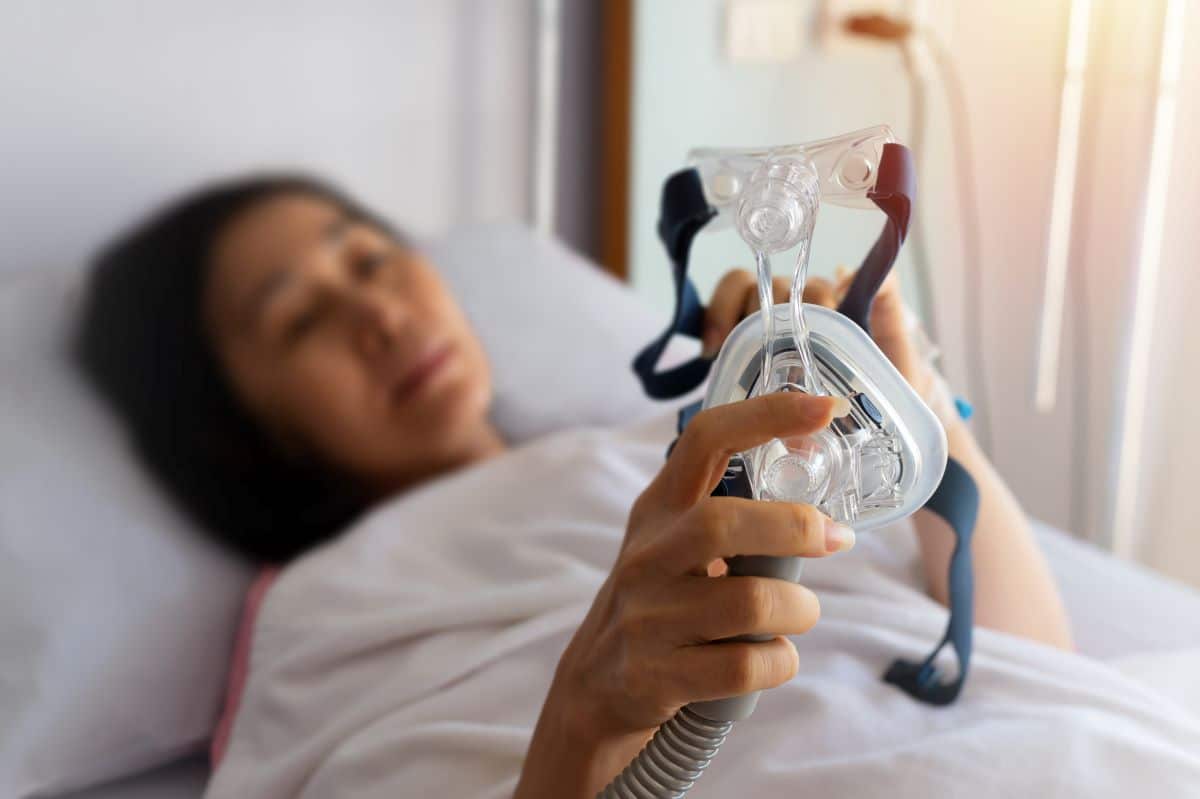
The most common solution for sleep apnea is continuous positive airway pressure (CPAP). A CPAP machine delivers air pressure through a mask while sleeping, which keeps your upper airway passages open to prevent sleep apnea and snoring.
CPAP machines and masks are available in a variety of styles and sizes, and our team will work with you to determine which options will work best for you. Some patients benefit from a nasal mask that covers the nose, while others require a full-face mask that covers both the nose and mouth.
Additional treatment options for sleep apnea include oral appliances, which move the lower jaw forward to keep the airway passages open or hold the tongue in place to prevent it from falling backward and blocking the airway.
Better Sleep Starts Here
Our team at Charleston ENT & Allergy will work with you to determine what treatment options will work best for your sleep apnea. Once you begin your customized treatment plan, you’ll rest easier at the end of a long day.
Call Charleston ENT & Allergy at (843) 766-7103 for more information or to schedule an appointment.